
Medical Adhesive Market Set for Significant Expansion, Expected to Exceed USD 20.9 Billion by 2032
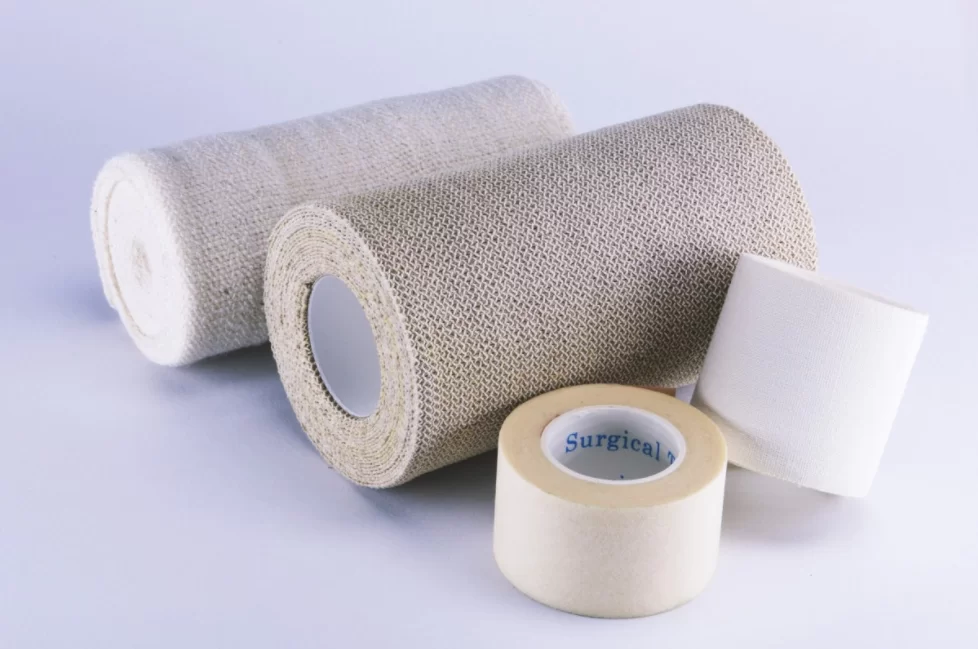
According to Pharmiweb.com, Marketresearch.biz reports suggests that the Medical Adhesive Market size is expected to be worth around USD 20.9 Bn by 2032 from USD 10.5 Bn in 2022, growing at a CAGR of 7.3% during the forecast period from 2023 to 2032.
The Medical Adhesive Market is witnessing robust growth, driven by the increasing demand for minimally invasive surgeries, advancements in medical device technology, and the rising prevalence of chronic diseases.
Driving Factors of the Medical Adhesive Market
- Minimally Invasive Procedures: Growing preference for minimally invasive surgeries necessitates the use of medical adhesives for wound closure and tissue bonding.
- Technological Advancements: Innovations in adhesive formulations, such as biocompatible and bioabsorbable adhesives, enhance surgical outcomes and patient comfort.
- Rising Chronic Diseases: Increasing incidence of chronic conditions, such as cardiovascular diseases and diabetes, drives the demand for medical adhesives in wound management and medical device applications.
- Expansion of Geriatric Population: The aging population, prone to age-related health issues, requires medical adhesives for wound care and surgical procedures.
- Advantages of Adhesive Bonding: Medical adhesives offer advantages such as reduced scarring, faster healing, and improved cosmetic outcomes compared to traditional sutures and staples.
- Market Expansion in Emerging Economies: Growth opportunities in emerging markets due to improving healthcare infrastructure and rising healthcare expenditure contribute to market expansion.
Restraining Factors of the Medical Adhesive Market
- Regulatory Compliance: Stringent regulatory requirements for medical devices and adhesives may increase product development costs and delay market entry.
- Adhesive Performance: Adhesive failure or inadequate bonding strength in certain applications may limit the adoption of medical adhesives, particularly in critical surgeries.
Cost Considerations: Higher initial costs of medical adhesives compared to traditional wound closure methods may pose financial challenges for healthcare facilities, especially in resource-constrained settings.
